When you type “siding installers near me” into a search engine, you’re looking for a fast, reliable way to upgrade your home’s exterior without the guesswork of DIY trials. The most efficient path is to connect with a vetted, local professional who can assess your property, recommend the best material, and handle the entire installation—from prep work to final trim—so you can enjoy improved curb appeal and energy savings right away. For a comprehensive look at choosing the right siding, see our Top 2026 Guide to Choosing the Right Siding Companies, which walks you through materials, costs, and insider tips.
Why Local Siding Installers Matter
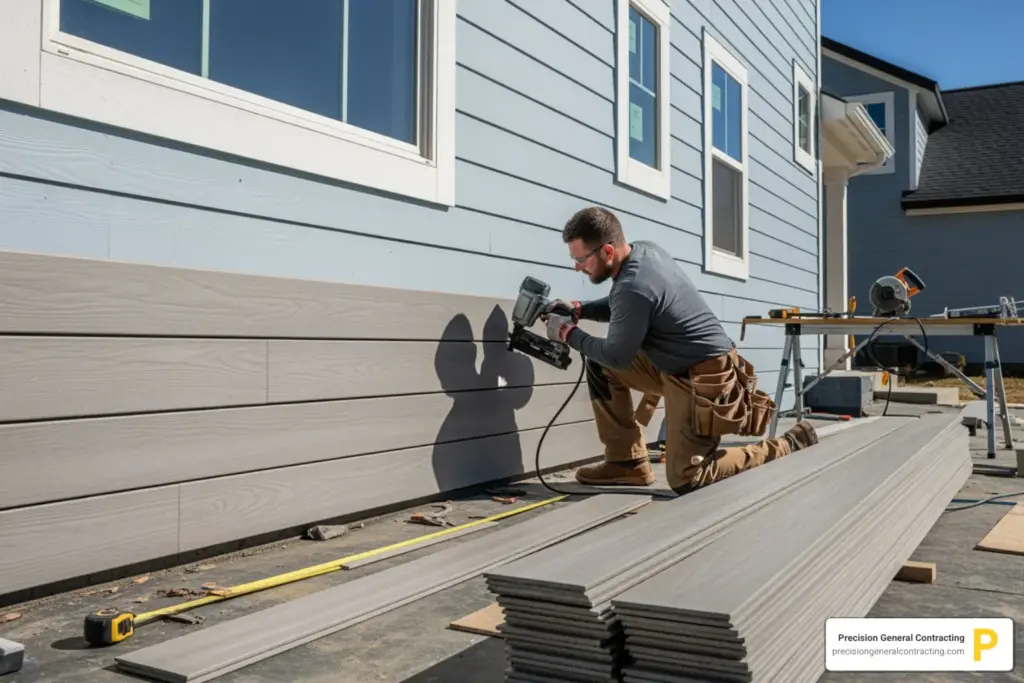
Local installers bring three core advantages that distant or national chains often can’t match. First, they understand regional climate challenges—whether it’s the humidity of the Gulf Coast or the freeze‑thaw cycles of the Midwest—so they can recommend the most durable, energy‑efficient siding. Second, they have established relationships with local suppliers, which frequently translates into lower material costs and faster delivery. Third, they are accountable to the community; a reputation built on word‑of‑mouth referrals ensures they’ll finish the job correctly the first time.
Key Factors to Evaluate When Searching “Siding Installers Near Me”
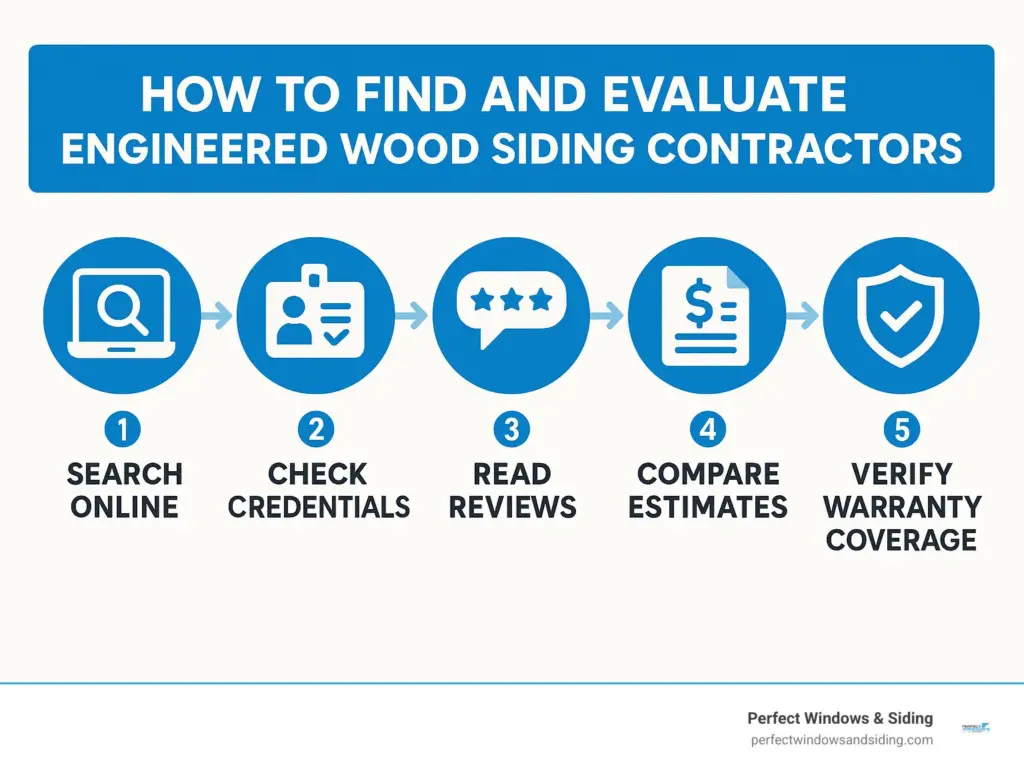
1. Licensing and Insurance
A professional siding contractor should hold a state‑issued license and carry both general liability and workers’ compensation insurance. The National Association of Home Builders (NAHB) reported that in 2026, 87% of homeowners who hired fully licensed installers experienced fewer post‑installation issues compared to those who hired unlicensed workers.
Table of Contents
- Why Local Siding Installers Matter
- Key Factors to Evaluate When Searching “Siding Installers Near Me”
- 1. Licensing and Insurance
- 2. Portfolio of Completed Projects
- 3. Transparent Pricing Structure
- 4. Warranty Coverage
- 5. Customer Reviews and References
- Choosing the Right Material: A Quick Comparative Table
- Step‑by‑Step Process to Hire a Local Siding Installer
- Common Mistakes Homeowners Make When Hiring Siding Installers
- Case Study: From Outdated Vinyl to Modern Fiber‑Cement
- FAQ: Quick Answers to Your Most Pressing Questions
- How long does a typical siding installation take?
- Can I install siding myself to save money?
- What is the most energy‑efficient siding in 2026?
- Do I need to replace existing sheathing when installing new siding?
- How can I verify that an installer is truly local?
- Looking Ahead: Siding Trends for 2027 and Beyond
- Final Thoughts: Turn Your Search into a Seamless Upgrade
2. Portfolio of Completed Projects
Ask to see before‑and‑after photos of recent jobs, preferably in neighborhoods similar to yours. A robust portfolio demonstrates not only craftsmanship but also the installer’s ability to work with a range of materials—vinyl, fiber‑cement, Hardie board, and even emerging composite panels.
3. Transparent Pricing Structure
Look for a detailed estimate that breaks down labor, material, disposal, and any optional upgrades. According to a 2026 Home Improvement Cost Survey by Houzz, the average siding installation cost ranges from $5,500 to $12,000 for a 2,000‑sq‑ft home, depending on material choice and region. An installer who provides a line‑item quote helps you avoid hidden fees.
4. Warranty Coverage
Reputable installers typically offer a manufacturer’s warranty on the siding material (often 20‑30 years) plus a labor warranty ranging from 1 to 5 years. This dual protection ensures that if the siding peels, cracks, or warps due to installation errors, you’re covered.
5. Customer Reviews and References
Beyond five‑star ratings on platforms like Google Business and Angi, ask for recent homeowner references. A 2025 study by the Consumer Reports Home Improvement Index found that installers with at least three positive references had a 92% satisfaction rate among new customers.
Choosing the Right Material: A Quick Comparative Table
- Vinyl Siding – Affordable, low‑maintenance, and available in a wide variety of colors. Ideal for homeowners seeking a budget‑friendly solution.
- Fiber‑Cement (Hardie Board) – Highly durable, fire‑resistant, and mimics the look of wood without the upkeep. Great for coastal regions prone to moisture.
- Engineered Wood – Offers the natural grain of wood with enhanced resistance to rot and insects; however, it requires periodic sealing.
- Composite Panels – New in 2026, these panels combine recycled materials and polymer resins, delivering superior energy efficiency and a sleek modern aesthetic.
For deeper insights into each material, our Ultimate 2026 Guide to Siding for House provides an exhaustive breakdown of performance, cost, and future trends.
Step‑by‑Step Process to Hire a Local Siding Installer
- Start with a Local Search – Use “siding installers near me” plus your city or ZIP code to generate a shortlist.
- Verify Credentials – Check state licensing boards and request proof of insurance.
- Request Written Estimates – Obtain at least three detailed quotes; compare line items, not just total price.
- Schedule an On‑Site Consultation – A professional will assess wall condition, measure accurately, and suggest the best material based on your climate and budget.
- Review the Contract – Ensure it outlines scope, timeline, payment schedule, and warranty terms.
- Prepare Your Home – Remove any obstacles, protect landscaping, and clear access routes for trucks and crews.
- Monitor Progress – While reputable installers handle everything, a brief walk‑through at each phase (removal, sheathing, installation, finish) helps catch issues early.
Common Mistakes Homeowners Make When Hiring Siding Installers
- Choosing the Cheapest Bid – Low‑ball offers often cut corners on material quality or labor, leading to premature repairs.
- Skipping the Warranty Review – Overlooking labor warranties can cost you dearly if installation errors arise later.
- Ignoring Local Climate Considerations – Installing a material unsuited for your weather can cause warping, fading, or mold growth.
- Not Verifying Insurance – Without proper coverage, any on‑site accidents could become your financial responsibility.
Case Study: From Outdated Vinyl to Modern Fiber‑Cement
Emily, a homeowner in Charlotte, NC, discovered her 20‑year‑old vinyl siding was peeling after a series of harsh winters. She searched “siding installers near me” and contacted a local contractor with a strong portfolio in fiber‑cement installations. The installer performed a comprehensive wall inspection, identified moisture infiltration, and recommended Hardie board siding with a breathable weather barrier.
Key outcomes:
- Energy bills dropped by 12% in the first year, according to her utility provider’s data.
- The project was completed within a 10‑day window, staying on budget at $9,800.
- Emily received a 5‑year labor warranty and a 30‑year manufacturer warranty, giving her peace of mind.
Emily’s experience underscores the value of hiring a knowledgeable, locally‑based installer who can match material choice to climate and budget.
FAQ: Quick Answers to Your Most Pressing Questions
How long does a typical siding installation take?
For a standard 2,000‑sq‑ft home, most installers finish within 7–10 business days, assuming no major structural repairs are needed.
Can I install siding myself to save money?
While DIY is possible, the National Association of the Remodeling Industry estimates that homeowner‑installed siding often incurs a 20–30% higher long‑term cost due to improper sealing and warranty voidance.
What is the most energy‑efficient siding in 2026?
Composite panels with integrated insulation, rated by the Energy Star program, lead the market with an R‑value up to 3.5 per inch, surpassing traditional vinyl (R‑1.5) and fiber‑cement (R‑0.5).
Do I need to replace existing sheathing when installing new siding?
If the sheathing shows signs of rot, water damage, or mold, replacement is recommended. Otherwise, a thorough cleaning and application of a moisture‑resistant barrier are sufficient.
How can I verify that an installer is truly local?
Check their physical address, request references from nearby neighborhoods, and look for a history of projects in your ZIP code. Local installers will also be familiar with municipal permit requirements.
Looking Ahead: Siding Trends for 2027 and Beyond
Industry analysts at Smithers Rapra predict that smart‑integrated siding—featuring built‑in solar micro‑cells and environmental sensors—will gain traction by 2028. While still emerging, early adopters report up to a 15% reduction in heating costs. Keeping an eye on these innovations can help you future‑proof your home’s exterior.
Final Thoughts: Turn Your Search into a Seamless Upgrade
Finding “siding installers near me” is the first step toward a more attractive, energy‑efficient home. By vetting credentials, reviewing portfolios, comparing transparent quotes, and understanding material performance, you can select a contractor who delivers quality work on time and within budget. Remember to leverage local expertise for climate‑specific recommendations and always protect your investment with comprehensive warranties.
Ready to start? Use the tips above to shortlist qualified installers, schedule on‑site assessments, and enjoy the transformation that professionally installed siding brings to your property.
For additional guidance on budgeting and material selection, explore our Siding Replacement 2026: Complete Guide, which delves deeper into cost breakdowns and long‑term benefits.
