Choosing the right siding for your house is the most effective way to boost curb appeal, improve energy efficiency, and protect the structure from harsh weather; the decision hinges on climate, budget, and long‑term maintenance goals. By understanding the latest materials, installation practices, and market trends, homeowners can avoid costly mistakes and enjoy a durable, beautiful exterior for decades.
Why Siding Matters: Core Benefits Explained
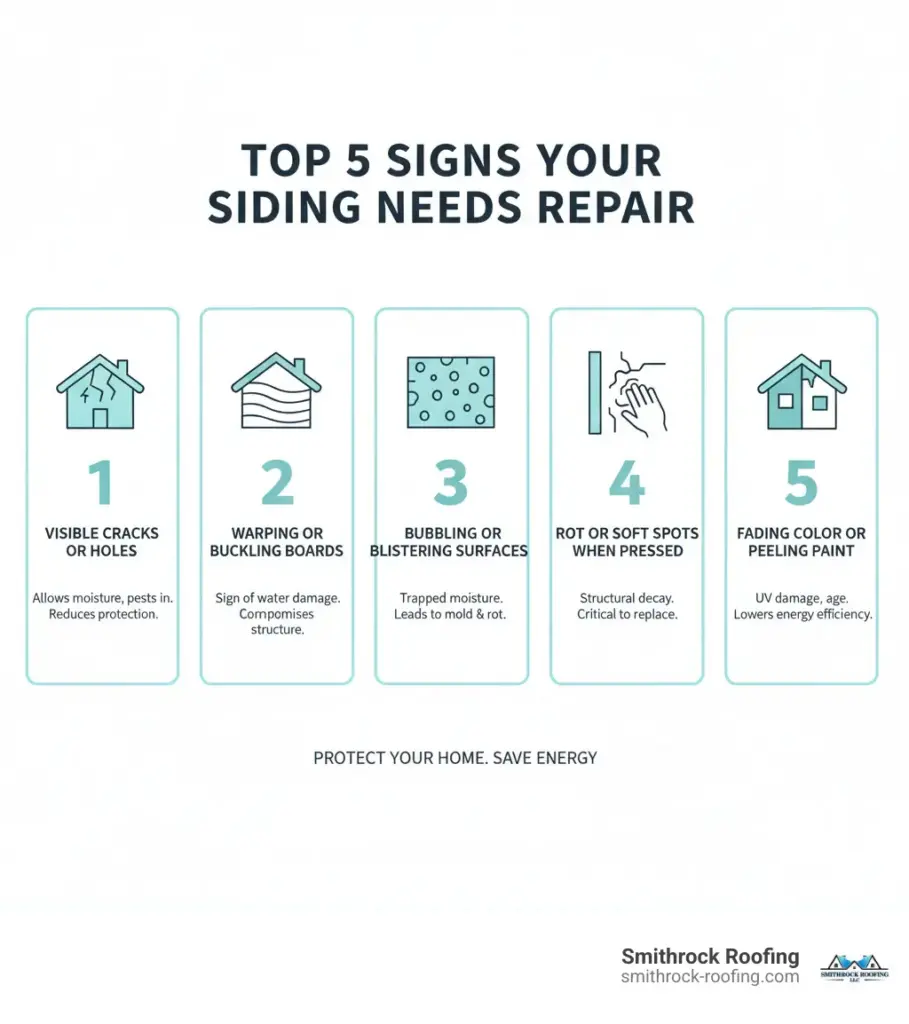
Exterior cladding isn’t just skin‑deep; it acts as the first line of defense against rain, wind, UV radiation, and pests. Modern siding solutions also contribute to home insulation, reducing heating and cooling expenses by up to 15 % according to the National Association of Home Builders 2026 Energy Report. Moreover, a well‑chosen siding material can increase resale value by 5‑10 % and enhance neighborhood aesthetics.
Top Materials on the Market in 2026
When you search for “siding for house,” three categories dominate the market: fiber cement, vinyl, and engineered wood. Each offers a distinct blend of durability, cost, and aesthetic flexibility.
Table of Contents
- Why Siding Matters: Core Benefits Explained
- Top Materials on the Market in 2026
- Fiber Cement Siding
- Vinyl Siding
- Engineered Wood Siding
- How to Choose the Right Siding for Your Home
- Installation Essentials: What Homeowners Should Know
- Cost Overview: 2026 Pricing Snapshot
- Common Mistakes and How to Avoid Them
- Future Trends Shaping Siding in the Next Decade
- Frequently Asked Questions
- What is the lifespan of fiber cement siding?
- Does vinyl siding improve energy efficiency?
- Can I install siding myself?
- How does siding affect home resale value?
- Is there a difference between “siding” and “cladding”?
- Final Takeaway
Fiber Cement Siding
Fiber cement, often branded under names like Hardie Board, remains a favorite for homeowners seeking weather‑resistant siding that mimics wood without the rot risk. The material’s composition—sand, cement, and cellulose fibers—provides excellent fire resistance (rated Class A) and can withstand wind speeds over 150 mph. According to a 2026 study by the Building Materials Institute, homes with fiber cement siding reported 30 % fewer maintenance calls than those with traditional wood cladding.
Vinyl Siding
Vinyl continues to lead in affordability and low‑maintenance appeal. Advances in polymer technology have introduced reinforced cores and UV‑blocking pigments, extending lifespan beyond 40 years. The Vinyl Siding Association’s 2026 market analysis notes a 12 % increase in consumer preference for insulated vinyl panels, which add an extra R‑value of 2‑3 to the wall assembly.
Engineered Wood Siding
Engineered wood combines the natural look of timber with a composite backing that resists moisture and insects. While slightly more expensive than vinyl, it offers a higher aesthetic grade and can be painted or stained. The 2025 Consumer Reports review highlighted a 20 % lower incidence of warping compared with traditional wood siding.
How to Choose the Right Siding for Your Home
Picking the ideal siding involves matching material traits to your property’s specific needs. Below is a practical decision‑making flow:
- Climate considerations: In coastal or high‑humidity regions, prioritize weather‑resistant siding like fiber cement or insulated vinyl.
- Budget constraints: Vinyl offers the lowest upfront cost, while fiber cement provides a mid‑range price with superior longevity.
- Desired aesthetics: If you want a wood‑grain look without the maintenance, engineered wood or fiber cement with wood‑look panels are optimal.
- Energy goals: Insulated vinyl or adding a rigid foam sheathing behind any siding improves home insulation and reduces utility bills.
For a deeper dive into fiber cement performance, see our Hardie Board Siding 2026: Complete Guide. If you’re evaluating local professionals, the Top 7 Tips for Choosing the Best Siding Companies Near Me – 2026 Guide offers actionable vetting criteria.
Installation Essentials: What Homeowners Should Know
Even the best siding can underperform if installed incorrectly. Here’s a step‑by‑step checklist that aligns with the 2026 International Building Code (IBC) standards:
- Weather barrier preparation: Install a water‑resistive barrier (WRB) such as house wrap, ensuring a continuous seal around windows and doors.
- Flashing installation: Properly flash rooflines, windows, and doors to divert moisture.
- Stud spacing verification: Confirm 16‑inch on‑center spacing for optimal nailing patterns.
- Material handling: Keep panels flat, avoid exposure to direct sunlight for more than 24 hours before fastening.
- Fastening technique: Use corrosion‑resistant nails or screws; follow manufacturer‑specified spacing (typically 6‑8 inches vertically, 12 inches horizontally).
- Seal and finish: Apply caulk around penetrations and trim, then paint or stain if required.
Professional installers often use a “dry‑fit” method to ensure alignment before final attachment, a practice that reduces waste and re‑work. For detailed guidance on vinyl siding installation, refer to our Vinyl Siding 2026: Ultimate Guide.
Cost Overview: 2026 Pricing Snapshot
Understanding the total cost of siding involves material price, labor, and ancillary expenses such as removal of old cladding. Below is a 2026 average cost breakdown (U.S. dollars per square foot):
- Fiber cement: $5.50–$8.00 (material) + $2.50–$4.00 (labor)
- Vinyl (standard): $3.00–$4.50 (material) + $2.00–$3.50 (labor)
- Vinyl (insulated): $4.50–$6.00 (material) + $2.50–$4.00 (labor)
- Engineered wood: $4.00–$6.50 (material) + $2.50–$4.00 (labor)
Adding a WRB and flashing typically adds $0.75 per square foot. Homeowners who opt for DIY removal can save 10‑15 % on labor but should factor in safety equipment and disposal fees.
Common Mistakes and How to Avoid Them
Even seasoned renovators slip up. The most frequent errors include:
- Skipping the WRB: Leads to moisture infiltration, mold, and structural rot.
- Improper flashing: Causes water pooling at critical junctions.
- Using the wrong fastener type: Galvanized nails may corrode under certain conditions, compromising the siding’s grip.
- Neglecting expansion gaps: Materials like vinyl expand in heat; lacking a ¼‑inch gap can cause buckling.
- Underestimating sub‑frame repairs: Hidden rot or rot‑prone framing must be addressed before installation.
Future Trends Shaping Siding in the Next Decade
Industry analysts predict three key developments that will influence siding choices through 2035:
- Smart Siding: Integrated sensors that monitor moisture levels and temperature, sending alerts to homeowners’ smartphones.
- Eco‑friendly Materials: Bio‑based composites and recycled fibers are gaining market share, reducing the carbon footprint of exterior cladding.
- Customizable Finishes: 3‑D printing technology enables on‑demand textures and colors, allowing homeowners to match historic architectural details without custom fabrication.
Staying informed about these innovations can help you future‑proof your investment and possibly qualify for green‑building tax credits.
Frequently Asked Questions
What is the lifespan of fiber cement siding?
When properly maintained, fiber cement can last 50 years or more, with manufacturers offering 30‑year warranties.
Does vinyl siding improve energy efficiency?
Standard vinyl offers minimal insulation, but insulated vinyl panels add R‑value, reducing heating and cooling costs significantly.
Can I install siding myself?
DIY installation is feasible for experienced homeowners, especially with vinyl. However, for fiber cement or complex flashing, professional expertise is recommended to meet code requirements.
How does siding affect home resale value?
According to a 2026 Zillow analysis, homes with upgraded exterior cladding sold on average 6 % faster and fetched 4‑7 % higher offers than those with original or outdated siding.
Is there a difference between “siding” and “cladding”?
The terms are often used interchangeably, but “cladding” can refer to any protective exterior covering, including metal panels or stone veneer, while “siding” usually denotes wood, vinyl, or fiber‑cement products.
Final Takeaway
Investing in the right siding for your house is a blend of science and style. By evaluating climate demands, budget, and aesthetic goals, and by following proven installation protocols, you can achieve a resilient, energy‑smart envelope that enhances both comfort and curb appeal. Whether you opt for the timeless durability of fiber cement, the low‑maintenance charm of modern vinyl, or the natural allure of engineered wood, the best choice is the one that aligns with your long‑term vision for the home.
For a concise definition of siding and its varieties, see the Wikipedia page on siding.
